Camellia Font for Modern Web Design
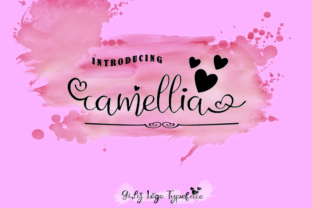
Camellia is a distinctive Script Handwritten typeface that brings a human touch to digital interfaces, allowing designers to balance aesthetic warmth with functional clarity across various Fonts libraries. As web designers and UI creators, we constantly seek typography that does more than just display text; it must evoke emotion, guide the user’s eye, and reinforce brand identity without sacrificing load times or readability. Camellia serves as a powerful tool in this regard, offering a girly yet professional handwritten style that integrates seamlessly into modern web layouts, from e-commerce headers to personal portfolio hero sections.
Enhancing Visual Hierarchy with Camellia in Hero Sections
Integrating Camellia into your design stack allows you to leverage its Script Handwritten characteristics to establish immediate visual interest, distinguishing it from standard system Fonts. In web design, the hero section is the most critical real estate for capturing user attention within the first few seconds. A decorative script like Camellia works exceptionally well here for short, impactful headlines or subheaders that define the brand’s tone. Because it is a girly handwritten typeface, it naturally softens the rigid grid structures common in responsive web design, creating a welcoming atmosphere for visitors. However, using it effectively requires restraint. It is best suited for large display sizes where the intricate curves and ligatures can be appreciated without becoming illegible. When paired with a clean sans-serif body font, Camellia creates a strong contrast that guides the user’s scanning behavior, ensuring that the primary message stands out while supporting content remains easy to read.
Optimizing Camellia for Mobile Responsiveness and Readability
When deploying Camellia on mobile devices, understanding the limitations of Script Handwritten styles is crucial for maintaining accessibility among diverse Fonts choices. Mobile screens offer limited horizontal space, which can cause complex script fonts to appear cluttered if the font size is too small or if the line height is insufficient. To ensure Camellia remains effective on smaller viewports, use it primarily for standalone elements such as logo marks, short call-to-action buttons, or section dividers rather than long paragraphs. Increasing the letter spacing slightly can help prevent the glyphs from touching, which is a common issue with connected scripts on low-resolution displays. Additionally, consider the background contrast; Camellia performs best on solid, light backgrounds or high-contrast dark modes where the stroke weight remains distinct. Avoid placing this handwritten font over busy image overlays unless a heavy drop shadow or solid backdrop is used to preserve legibility. By treating Camellia as a display element rather than body copy, you maintain a consistent online identity that respects user experience standards across all devices.
Building Brand Trust with Camellia in Digital Products
Utilizing Camellia helps convey authenticity in digital products, leveraging its Script Handwritten appeal to differentiate your brand from competitors using generic Fonts. For coaches, consultants, and creators selling online courses or digital templates, the perceived value of the product is often tied to the aesthetic quality of the landing page. Camellia’s girly and elegant personality suggests care, attention to detail, and a personal touch, which can significantly increase conversion rates for lifestyle, beauty, and creative industries. When used in testimonial sections or quote blocks, it adds a layer of sophistication that static sans-serifs often lack. This emotional connection fosters trust, making users feel more comfortable engaging with the brand. Furthermore, consistent use of Camellia across email headers, social media graphics, and website banners reinforces brand recognition. It transforms a standard digital presence into a cohesive brand experience, signaling to the user that every aspect of the business has been carefully curated.
Strategic Font Pairing for Balanced Web Layouts
Successful implementation of Camellia relies on thoughtful pairing with complementary Script Handwritten alternatives or structural Fonts to ensure visual harmony. Since Camellia is highly decorative, it should never be paired with another script or overly complex serif font, as this creates visual noise and reduces readability. Instead, pair it with a neutral, geometric sans-serif font for body copy and navigation menus. This combination allows Camellia to shine as the accent piece while the sans-serif handles the heavy lifting of information delivery. For a more editorial or luxury feel, you might pair it with a high-contrast modern serif, but only for large headings. The key is balance: let Camellia provide the personality and flair, while the secondary font provides stability and structure. This approach ensures that your web design remains professional and accessible, avoiding the pitfalls of overly stylized layouts that can alienate users seeking clear information. By mastering these pairings, you create a dynamic typographic hierarchy that enhances both aesthetics and usability.
Licensing and Technical Implementation for Web Projects
Before integrating Camellia into client projects, verify the licensing terms for Script Handwritten usage to ensure compliance with commercial Fonts regulations. Web designers must distinguish between desktop licenses and webfont licenses, as using a font on a live website typically requires specific web embedding rights. Check if the package includes WOFF or WOFF2 formats, which are optimized for faster loading times and better rendering across modern browsers. Additionally, review the character set to ensure it supports the languages required for your target audience, including special characters and numerals if needed for pricing or dates. Proper technical implementation involves defining fallback fonts in your CSS stack to ensure that if Camellia fails to load, the layout does not break. By addressing these technical and legal aspects upfront, you protect your project from potential copyright issues and ensure a smooth, professional user experience that reflects the high quality of the design itself.